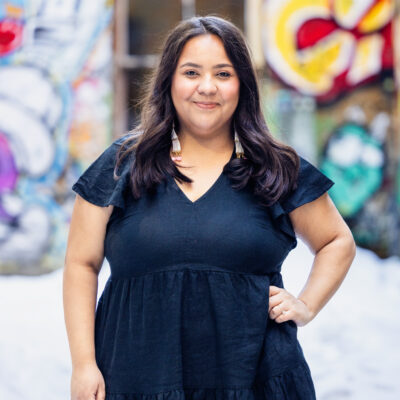
Editor's Note: Sharen Kickingwoman is a proud member of the A'aaniih and Blackfeet nations. Born and raised in Montana, she believes in enhancing tribal nations' inherent sovereignty and that the best work for Native people is by Native people. Sharen earned her bachelor's and master's degrees from Stanford University, and has worked in higher education, government, and advocacy spaces. Sharen has worked with the ACLU of Montana for the past seven years, and currently serves as the advocacy, policy, and organizing director.
As my daughter and I walked to school on her first day in kindergarten this fall, my boots about knocked off — my old school that never taught me a lick of Indian education had a tipi out front.
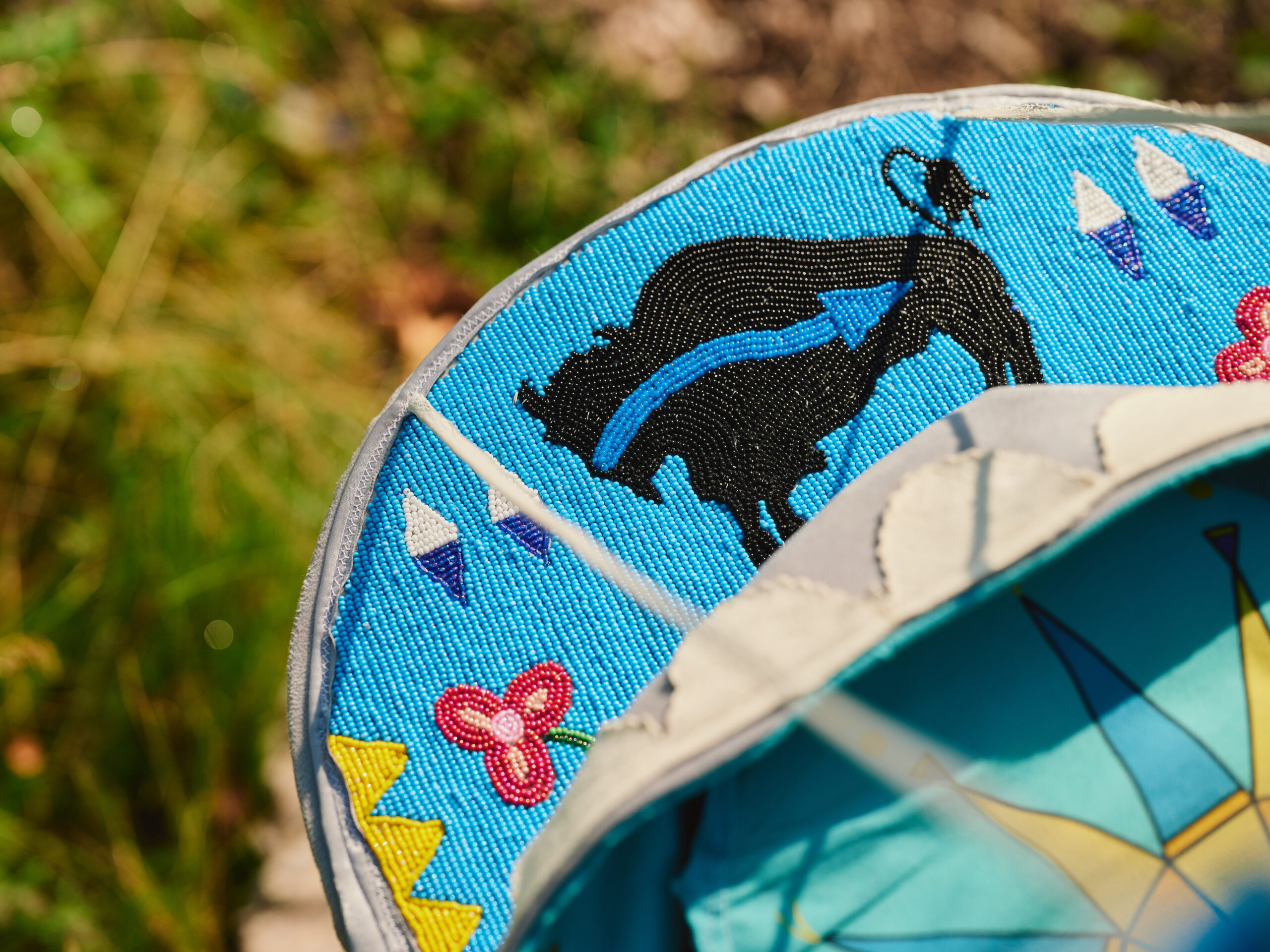
Cradleboard beading, including the Indigenous Justice logo for ACLU of Montana.
ACLU of Montana
Like a lot of parents, I've been thinking about what her years in school will look like: the teachers she'll remember, the friends she'll make, the things she'll discover about the world, and about herself. But as a Blackfeet mother, I'm also thinking about whether she will see herself in what she learns.
"Every Montana child deserves to understand the people, histories, and cultures of the place they call home."
When I was growing up in Missoula, Montana, the only other Native kids in my school were often my own siblings. Native people were mostly presented to us as people from the past. There wasn't much opportunity to learn about the tribes of Montana as contemporary, living people, or to understand the richness of our histories, languages, and cultures.
I didn't fully understand what I had missed until I left Montana for college. For the first time, I had Native peers and Native professors. I began learning history that I had never encountered in school. I remember feeling almost cheated. Why had it taken leaving Montana for me to learn things I should have been learning while growing up there?
My dad, Kevin Kickingwoman, experienced another version of that loss. He grew up in Browning, Montana on the Blackfeet Reservation. His parents spoke Blackfoot, but the language wasn't passed down to him. He eventually set out to learn the language himself.
"When that knowledge is missing, stereotypes and assumptions take its place."
My dad's path to becoming an educator wasn't conventional. He served in the U.S. Navy, worked other jobs, and eventually found his way into teaching. When he interviewed for a job teaching Blackfoot language, he didn't yet speak much of the language.
When they asked what he did know, he told them: "I'll sing you any song you want." They named a song. He sang it. They named another. He sang that one, too. Then they asked whether he wanted to learn. He did.
Today, my dad teaches the Blackfoot language, as well as the culture and history of the Blackfeet people in Browning. In 2024, he was named Montana Teacher of the Year.
"When it is present, we have an opportunity to build understanding, respect, and connection."
His story shows that education isn't just about what we learn from a textbook. It is also about what one generation passes to the next, and what can happen when that chain is broken. That is one reason Indian Education for All (IEFA) matters so much to me. Montana's Constitution recognizes the state's unique cultural heritage and commits our schools to preserving the cultural integrity of American Indians. The Montana legislature passed IEFA in 1999 to guarantee that every public school student has the opportunity to learn about the tribal nations of the region.
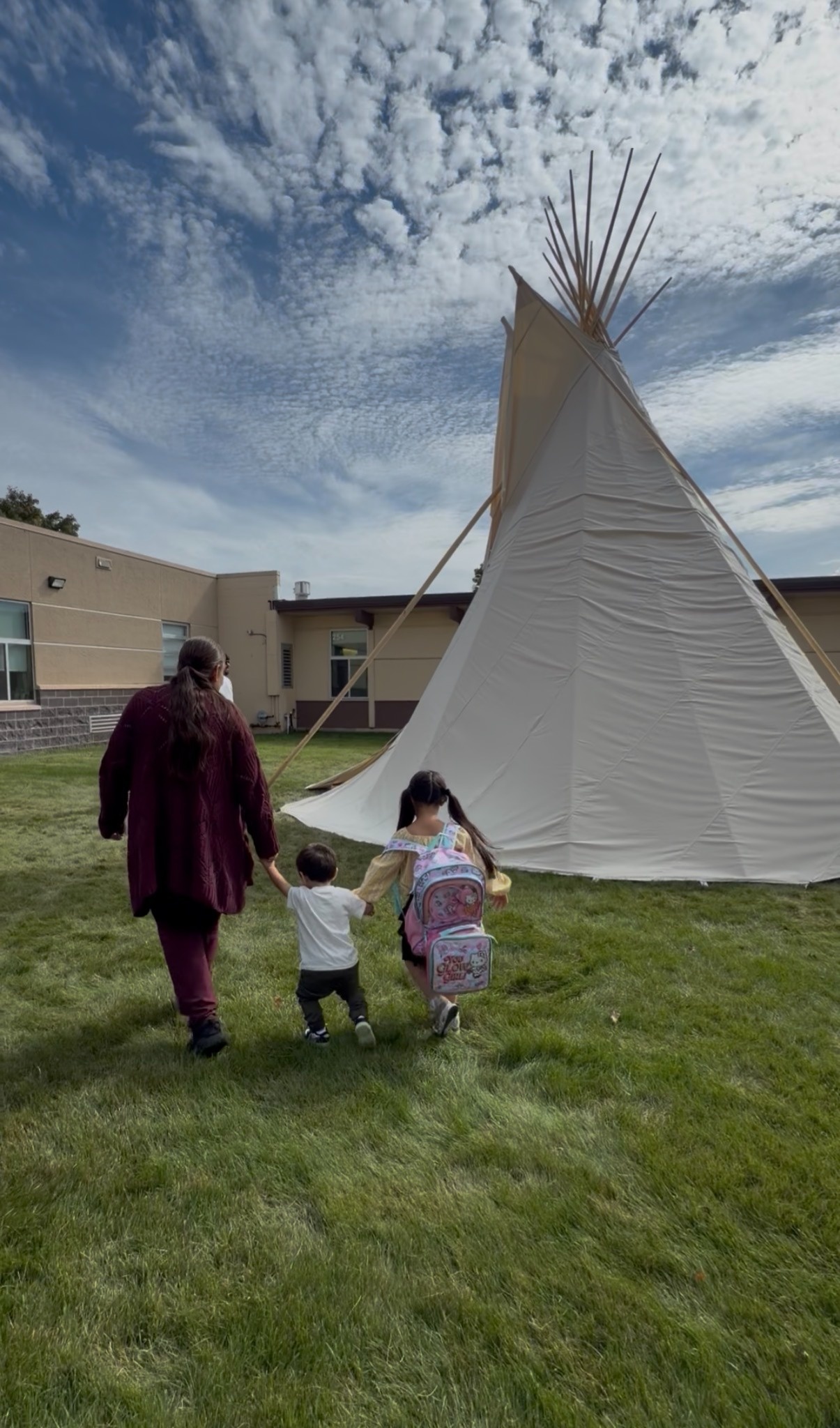
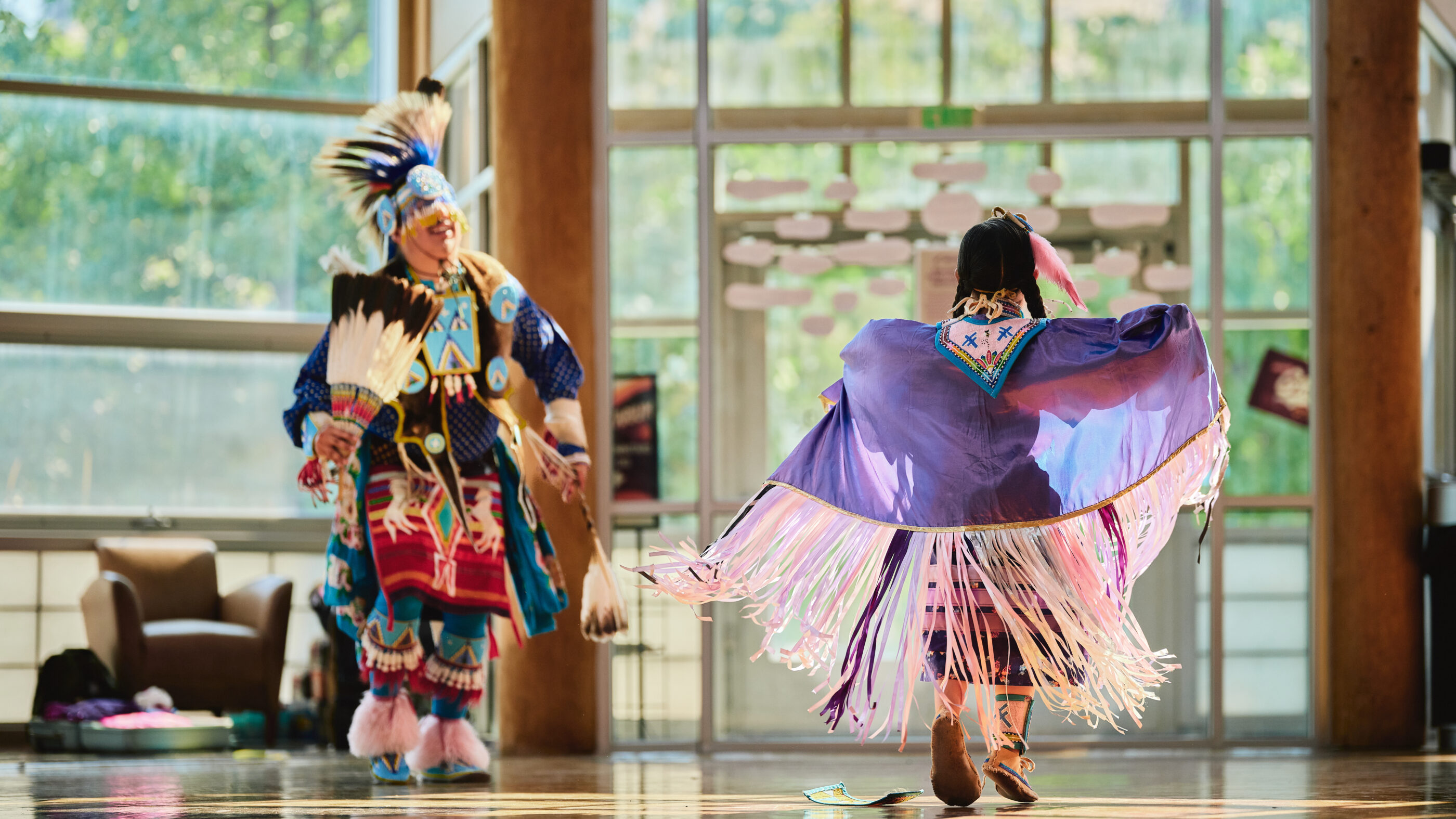
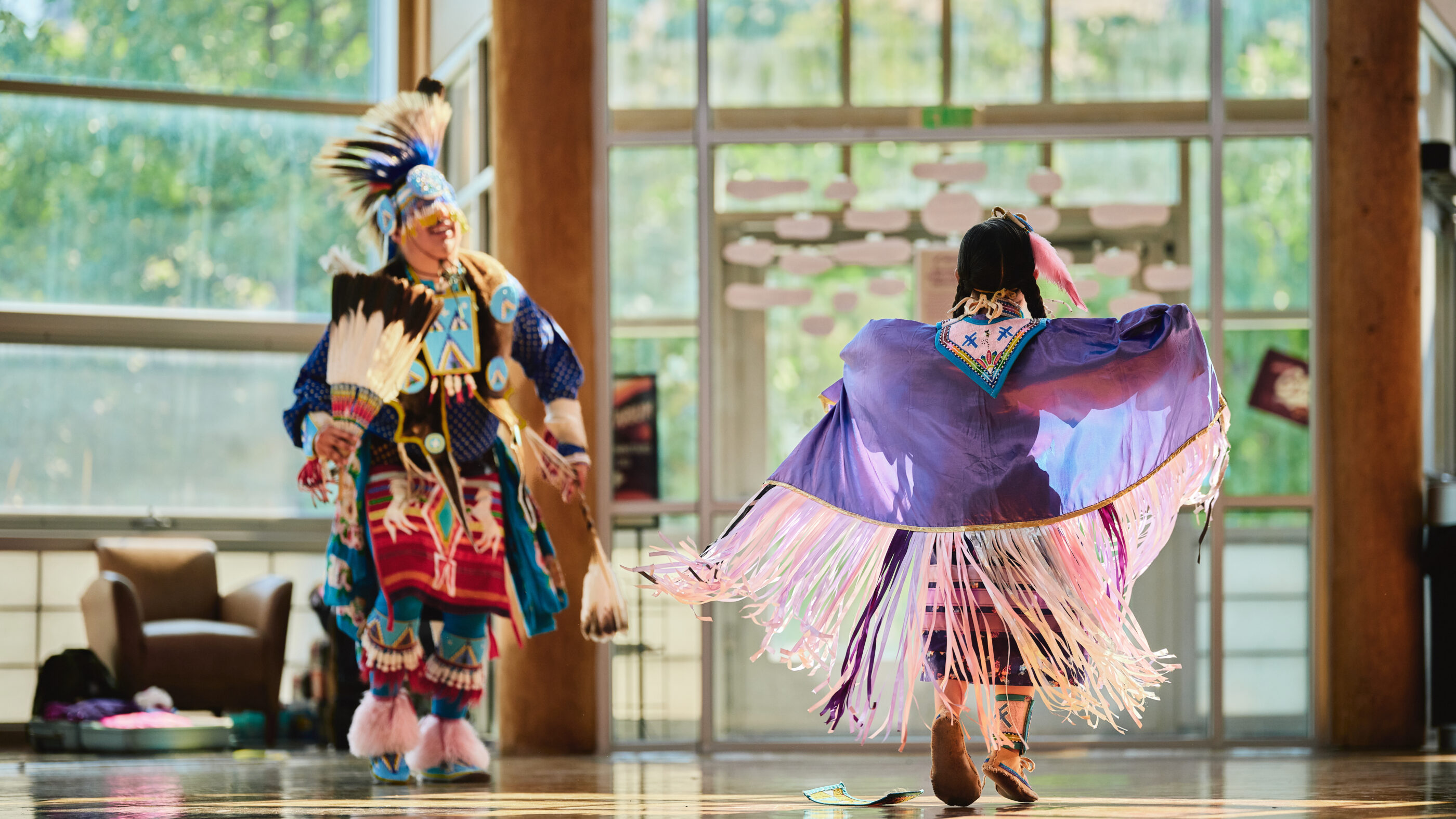
The legacy of Indigenous history and culture is carried forward to the next generation.
Sharen Kickingwoman
I am proud to work for an organization that fights to make sure those constitutional promises mean something in people's lives. Earlier this year, the ACLU of Montana and our partners reached a landmark settlement with the Montana Office of Public Instruction that would create long-awaited accountability measures to help ensure our schools teach about the histories, cultures, governments, and contributions of tribal nations in Montana.
IEFA has never been just for Native kids. Every Montana child deserves to understand the people, histories, and cultures of the place they call home. When that knowledge is missing, stereotypes and assumptions take its place. When it is present, we have an opportunity to build understanding, respect, and connection.
I want my daughter to learn the things that her grandfather sought to reclaim, and that I often had to seek out for myself. I want her classmates to learn those things, too. Most of all, I hope her experience is joyful.
I hope she sees authentic representation of Indigenous people in her education. I hope she is never made to feel tokenized. I hope she feels celebrated for who she is and that her classmates grow up with a deeper understanding and respect for who we are.
My dad talks about legacy. He hopes his grandchildren will speak the language and carry forward the songs and knowledge that previous generations fought to preserve.This Indigenous Peoples' Day, that is what I'm thinking about: what we inherit, what we reclaim, and what we choose to pass on. My daughter is just beginning her education. I hope what we pass on to her is something better.