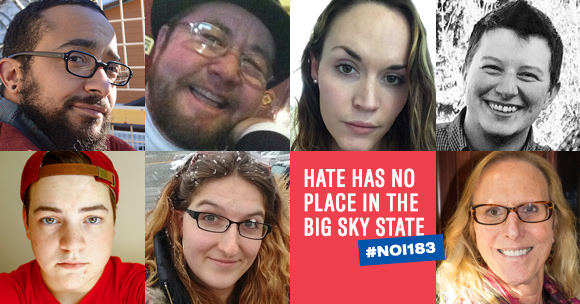
These Montanans have stepped forward with bravery and authenticity to challenge I-183. They come from all walks of life. They are mechanics and lawyers, college students and community organizers, parents and pastors. What unites them is an abiding love for the Big Sky State and a commitment that all Montanans are deserving of safety, dignity, and privacy.

Acton Siebel
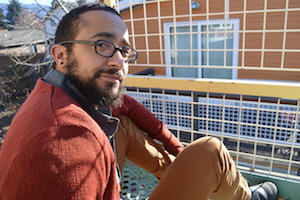
Acton Siebel

For Acton Siebel, a small-engine mechanic who lives in Missoula and makes lamps and furniture on the side from reclaimed items, Montana is home.
Full Bio

Roberta “Bobbie” Zenker
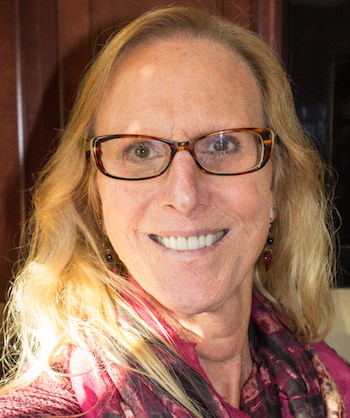
Bobbie Zenker

Roberta “Bobbie” Zenker is a 59-year old Helena resident who works as an attorney for Disability Rights Montana. Since moving to Montana as a Jesuit Volunteer at St. Labre Indian School, Bobbie has been continuously working in public service for the people of Montana.
Full Bio

Elliott Hobaugh
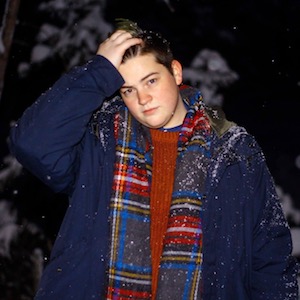
Elliott Hobaugh

Elliott Hobaugh is a 19-year-old student at the University of Montana. Missoula and UM have become a second home for Elliott, who loves waking up to mountains outside his window.
Full Bio

Ezerae Coates
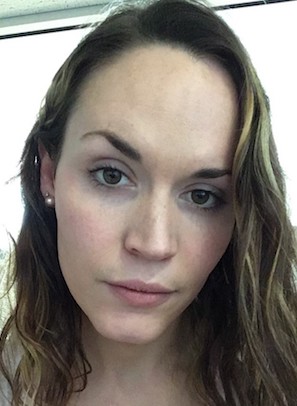
Ezerae Coates

Born and raised in Butte, Ezerae knew at a young age that she was transgender. Today, Ezerae is employed as an HIV early intervention specialist for the Butte-Silver Bow Health Department.
Full Bio
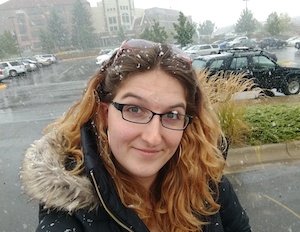
Kasandra Reddington
 
Kasandra Reddington

At age 15, Kasandra Reddington traveled the short distance from Shepherd, Montana to enroll in courses at MSU-Billings. She would go on to graduate with a degree in psychology and concentrations in biology and neuroscience. A self-described “traditional super-nerdy girl,” she plans to pursue a PhD in Behavioral Neuroscience.
Full Bio

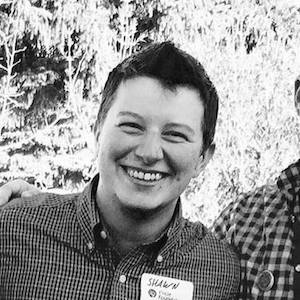
Reverend Micah Hartung
Reverend Micah Hartung is a sixty-year old man who lives in Belt, Montana. After receiving a Master of Divinity, Micah moved to Great Falls in 1990 and became one of the founding members of the Metropolitan Community Church. After a lifetime of advocating for social justice and LGBTQI+ Montanans, Micah says, “I hope I live long enough to make a difference for trans people in this state."
 
Shawn Reagor
Shawn Reagor
Shawn is a fourth-generation Montanan who grew up in Great Falls and moved to Helena to attend Carroll College, where he studied chemistry. Shawn now works as a community organizer for the Montana Human Rights Network.
 

Related Content

Press Release
Oct 17, 2017
I-183 Plaintiffs
  • 2S-LGBTQIA+ Rights

Ten Montanans Join ACLU of Montana Lawsuit Challenging Anti-LGBTQ I-183 as Unconstitutional

Issue Areas: 2S-LGBTQIA+ Rights
News & Commentary
May 17, 2018
I-183 is unconstitutional
  • 2S-LGBTQIA+ Rights

Reasons Why I-183 is Unconstitutional

We have eight reasons why I-183 would be unconstitutional. I-183 would require government officials at the state and local level to prevent Montanans from using bathrooms and other public facilities based on a medically inaccurate and subjective assessment of a person’s gender. This violates Montanans’ fundamental rights to privacy and dignity.The measure prevents transgender and non-binary Montanans from having equal access to public facilities because of their gender identity.The initiative subjects all Montanans to scrutiny of their gender expression, and invades their privacy and individual dignity. Any Montanan could be stopped by government officials and private individuals if another person does not think they satisfy stereotypes of what it means to be ‘masculine’ or ‘feminine.’The initiative would force transgender and non-binary Montanans out of public life and prevent them from pursuing life’s basic necessities – in this case, using the bathroom in a public building.The measure forces the government to interfere with an individual’s right to make private decisions about which public facilities they should use.Because I-183 defines sex as “a person’s immutable biological sex as objectively determined by anatomy and genetics existing at the time of birth,” state and local governments would be forced to access private medical information to determine what facility an individual should use.The measure would gut nondiscrimination laws put in place by cities throughout Montana, including Butte, Bozeman, Missoula, Helena, and Whitefish.I-183 is vague and unenforceable. Montanans and local governments charged with enforcing I-183 have no guidance on how to comply with I-183’s requirements and as a result would be exposed to costly lawsuits.  The “bounty” provision of I-183 empowers vigilantes to sue local governments when they believe an individual is not using the facility that corresponds with the sex assigned on an original birth certificate.