ACLU of Montana Report Highlights the Failing Probation and Parole System in Montana, Including Unequal Treatment of Indigenous People
September 10, 2018 9:00 am
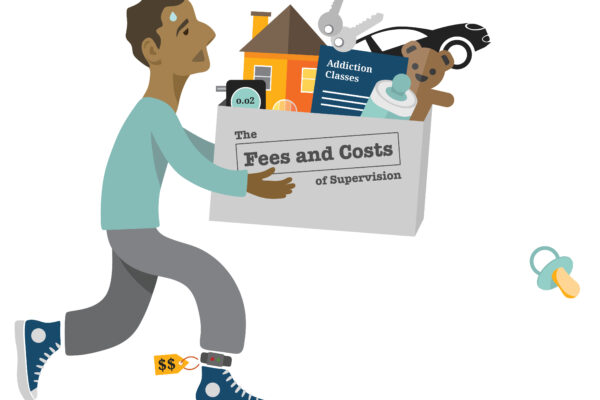
The ACLU of Montana announced today the publication of its investigative report, “Set up to Fail: Montana’s Probation and Parole System.”
The ACLU of Montana began researching the probation and parole system in Montana over concerns that the state’s supervision system actually increases recidivism and detention rates, feeding mass incarceration. Montana spends nearly $200 million annually to incarcerate people and is the only state in a 10-state region that has seen its incarceration rates dramatically increase.
- Develop holistic defender services that can provide assistance and support to people on supervision to find housing, treatment, transportation, and required or otherwise appropriate programming;
- Provide community mental health and substance abuse treatment—particularly in rural areas— to ensure that people on supervision can be successful upon reentry and have continuity of care upon release from custody;
- Develop achievable goals that recognize the reality of dealing with poverty and environmental circum¬stances;
- Allow and encourage probation offices to reduce probation terms and to reduce in-person check-ins where appropriate;
- Recruit Indigenous staff in probation, parole, and other public service positions (including for treatment and diagnosis of mental health and substance abuse) to work with Indigenous people on supervision; and
- Accept and support traditional tribal programs and traditions as part of the rehabilitative process.
Stay Informed
Sign up to be the first to hear about how to take action.
By completing this form, I agree to receive occasional emails per the terms of the ACLU’s privacy statement.
By completing this form, I agree to receive occasional emails per the terms of the ACLU’s privacy statement.