
News & Commentary

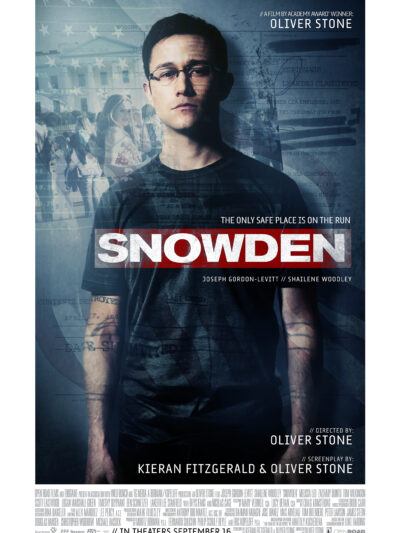
Snowden’s revelations sparked critical debate
On Sept. 13, the American Civil Liberties Union of Montana hosted a free, advance screening of Oliver Stone’s new film, “Snowden,” at the Myrna Loy Center in Helena.
Emergency contraceptive made available on Flathead Reservation
The Confederated Salish and Kootenai Tribes’ Health Department on recently began providing an emergency over-the-counter contraception drug to any female, any age, without a prescription.
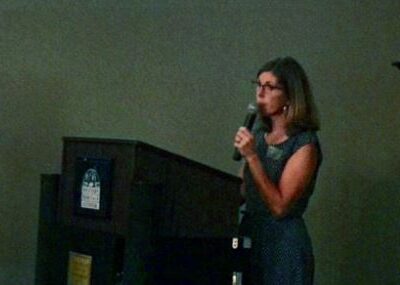
ACLU of Montana Executive Director Speaks at American Board of Trial Advocates Conference
SK Rossi hired as new Director of Advocacy and Public Policy
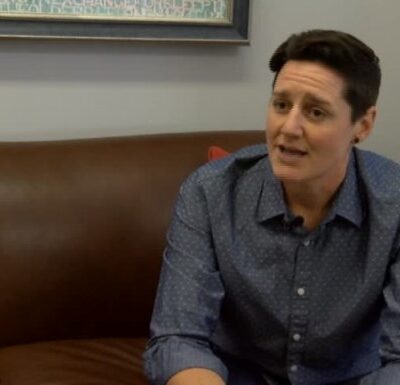
The ACLU of Montana is delighted to announce that it has hired SK Rossi as Director of Advocacy and Public Policy. Rossi, who started work on July 22, 2016, will be responsible for advancing the ACLU of Montana's civil liberties policy agenda before the state legislature, the executive branch, local government bodies, and administrative agencies, and will lead and collaborate on advocacy initiatives across the state, including the ACLU of Montana's new Racial Justice Project.

Looking back with pride. Moving forward with determination.
This week is the 5th anniversary of the date I joined the staff of ACLU of Montana to work for LGBT equality on the Fair is Fair Montana campaign. In a moment of perfect synchronicity, this week will also be when I hand off my ACLU of Montana involvement in LGBTQ work to the incredible local staff. But I won’t be completely gone from the work here as I move into working full time for the Out for Freedom/ LGBT Project at ACLU’s national office.
By Liz Welch

Seeking vengeance instead of justice: executing prisoners with airport runway de-icer
Our system of justice is increasingly becoming a system of vengeance. Our collective desire to execute those convicted of heinous crimes has led us to extremes that do us no credit. Although lethal injection was touted as a “more humane” method of execution than hanging, the firing squad, or the electric chair, it has really been about sparing ourselves the spectacle of watching the gruesome murder of someone in the name of the state. Now, even that pretext is failing.
By Jim Taylor

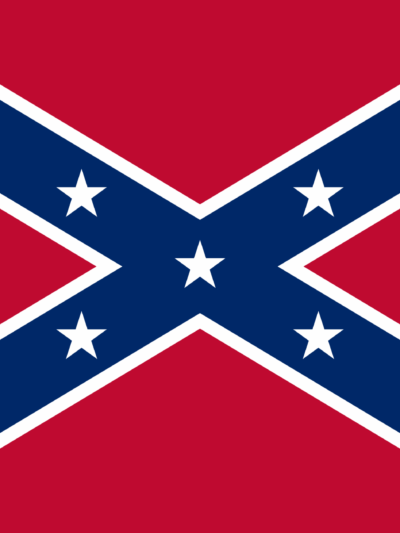
Should Confederate Flags Be Allowed in Schools?
A recent incident at Park High School in Livingston, in which students flew Confederate flags from their trucks shortly after a black student enrolled, offers an opportunity to reflect on the extent of students’ right to engage in offensive speech at school.
By Caitlin Borgmann
Stay Informed
Sign up to be the first to hear about how to take action.
By completing this form, I agree to receive occasional emails per the terms of the ACLU’s privacy statement.
By completing this form, I agree to receive occasional emails per the terms of the ACLU’s privacy statement.