
News & Commentary
Laws targeting transgender people are just plain cruel
I just can’t stop shaking my head at the absurdity of it all.
By Liz Welch

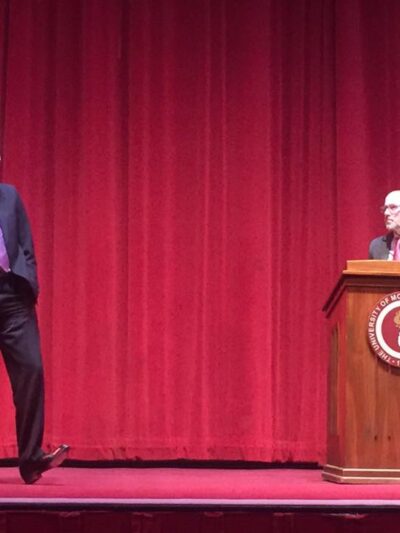
Civil Liberties in America Today - Anthony Romero visits Montana
The ACLU of Montana was proud to welcome Anthony Romero, Executive Director of the national American Civil Liberties Union to Montana. While in Montana, Mr. Romero delivered lectured in both Missoula and Bozeman.
Being Political Means Being Powerful
Having just returned from the ACLU Nationwide Staff Conference in Orlando, Florida, I am energized and looking forward to our annual meeting in March, and to National Executive Director Anthony Romero’s visit in April. One of the things we talked a lot about at the conference was the ACLU’s shift toward becoming more “political.” While that shift has generated excitement, it has also led to some confusion: What does it mean for the ACLU to be political? Can we do so without risking becoming partisan? As National Political Director Karin Johanson put it at the conference, “Being more political means being more powerful.” It means using the tools of political engagement, in addition to the time-honored ACLU tool of litigation, to defend and promote civil liberties. It means being active not only in courtrooms but in the legislature, at city councils, and on ballot measures. It means amplifying our work by communicating effectively with the public. And, most importantly, when we use of all of these tools in a coordinated fashion to advance carefully chosen strategic priorities, we can be especially powerful.
By Caitlin Borgmann

Voting Rights in Montana 2016
2016 is an election year, and with the new year comes both opportunities and challenges to the voting rights of Montana citizens. Indians in Montana have been routinely denied rights since Montana first became a territory. Although many tribes have lived in Montana for thousands of years, they were denied United States citizenship until the passage of the federal Indian Citizenship Act in 1924, less than a century ago. Even then Indians were not welcomed as citizens, but instead were subject to a determined campaign by the State of Montana and its political subdivisions to marginalize Indians as voters.
By Jim Taylor
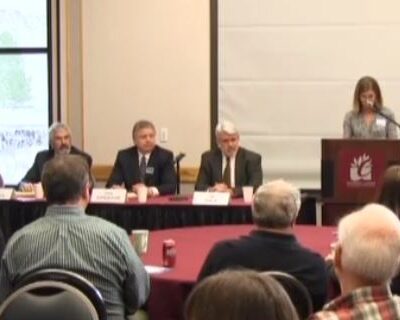
ACLU of Montana hosts 2016 Montana Supreme Court Candidate Forum
On March 5, 2016, ACLU of Montana and the Alexander Blewett III School of Law co-hosted an educational forum featuring the current candidates for the Montana Supreme Court.
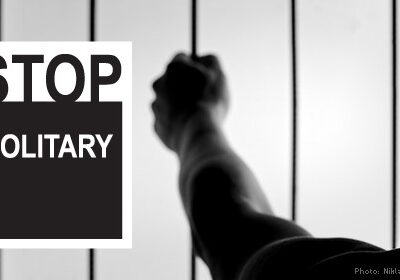
Solitary Confinement: The Momentum for Reform
The movement to limit the use of solitary confinement in our prisons gained new momentum in January when President Obama took executive action to limit the use of solitary throughout the federal prison system.
Governor Bullock issues executive order prohibiting LGBT discrimination in state contracts; encourages private businesses to do the same.
“The time is always right to do what is right.” Martin Luther King Jr.
By Liz Welch

Stay Informed
Sign up to be the first to hear about how to take action.
By completing this form, I agree to receive occasional emails per the terms of the ACLU’s privacy statement.
By completing this form, I agree to receive occasional emails per the terms of the ACLU’s privacy statement.