News & Commentary
ACLU and ACLU of Montana File Lawsuit on Behalf of U.S Citizens Detained For Speaking Spanish
The American Civil Liberties Union, ACLU of Montana, and law firm Crowley Fleck PLLP filed a federal lawsuit today on behalf of two American citizens detained by United States Customs and Border Protection for speaking Spanish while shopping at a local convenience store in Havre, Montana.
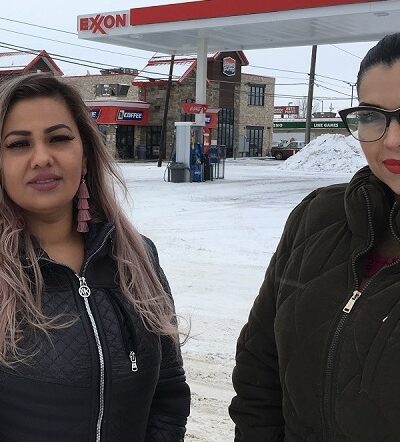
U.S. Border Patrol Detained U.S. Citizens for Speaking Spanish in Montana
Illegal arrests and seizures reflect an out-of-control agency emboldened by Trump’s anti-immigrant agenda.
The House Judiciary Committee Should Vote Yes on HB 217
"Debt-based driver’s license suspensions are a heartless penalty on poverty. Worse - this penalty is nonsensical. Taking away a person’s ability to get to work is an ineffective way for the state to collect money. It’s pretty simple: if you can’t get to work, you can’t pay off debt.

ACLU of Montana Statement on HJ 9: We Can Reform Our Criminal Justice System and Make Communities Safer
"Too many people in Montana with mental health or substance use disorders do not have access to the care they so desperately need. This lack of access to care harms both individuals and our communities because it results in too many people needlessly being pushed into homelessness or the criminal justice system. As a first step, the state should study the current system of services for treatment of substance use and mental health disorders so that we have a good starting point for creating a healthier and more vibrant Montana. The ACLU of Montana supports HJ 9." SK Rossi, ACLU of Montana Advocacy and Policy Director
The Montana State Prison Must Ensure Adequate Heat
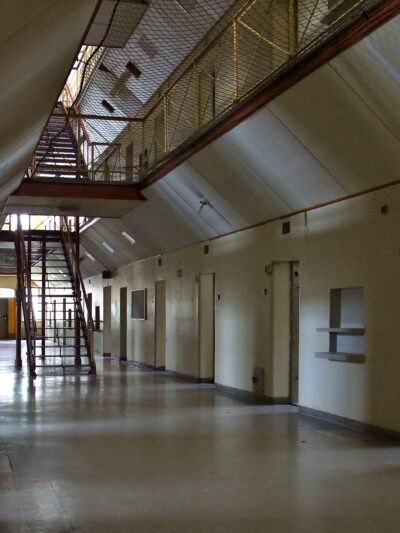
"We are monitoring reports that certain units at the Montana State Prison lack adequate heat. We understand that the facility is having problems with its boilers, and that cell windows are covered in frost. During this brutal cold spell it is the responsibility of MSP to provide necessary heat to individuals in its custody. Depriving people who are incarcerated adequate warmth is cruel and unusual punishment and is blatantly unconstitutional. It doesn’t matter what it takes, MSP and the Department of Corrections must fix this issue now.
ACLU of Montana Statement on Anti-Immigrant Legislation (HB 146 and HB 147)
"The proposals to prohibit localities from establishing laws creating sanctuary cities are an answer in search of a nonexistent problem. They are a scare tactic implying that there will be no immigration enforcement in jurisdictions that divert scarce local resources into federal immigration enforcement. They are an extension of President Trump’s push for draconian anti-immigrant policies and practices. Here’s the truth: When local law enforcement are forced to act as federal immigration agents, their entire communities become less safe. In fact, the Major Cities Chiefs Association, the Presidential Task Force on 21st Century Policing, and law enforcement leaders from across the country have all adopted positions opposing local entanglement with immigration enforcement on the ground that it harms public safety. The ACLU of Montana is opposed to HB 146 and HB 147."SK Rossi, Advocacy and Policy Director for the ACLU of Montana
ACLU of Montana Statement on Medicaid Reimbursal for Peer Support Services (SB 30)
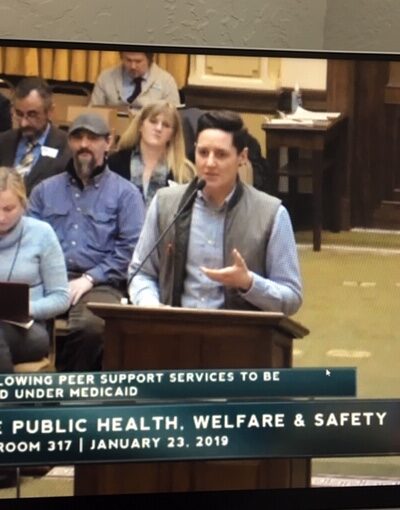
"Peer support programs are a vital and unique way to support people who are recovering from substance use disorders or other behavioral health issues. When people have access to peers, their outcomes improve. People in peer support programs have fewer symptoms and end up in the hospital less often. Their well-being and self-esteem improve, and they participate more in their communities. Their recoveries are also more thorough and longer-lasting.
Montana Legislation Would End Debt-Based Driver’s License Suspensions in the State
Under current Montana law, the Montana Department of Justice, Motor Vehicle Division, is required to suspend the driver’s license of any person who fails to pay court debt. Every year, the state suspends the driver's licenses of more than 10,000 low-income people who cannot afford to pay court debt, even when the reason for their debt has nothing to do with public safety when driving. In Montana, driving with a suspended license carries a penalty of between 2 days and 6 months of jail in addition to more fines and an extended period of suspension. H.B. 217 would relieve thousands of Montanans from this harmful practice.

Stay Informed
Sign up to be the first to hear about how to take action.
By completing this form, I agree to receive occasional emails per the terms of the ACLU’s privacy statement.
By completing this form, I agree to receive occasional emails per the terms of the ACLU’s privacy statement.